Carrer

From the Bank Floor to Wall Street: Where I’ll Be in 10 Years

Ten years is a long time. It is also not nearly as far away as it sounds. When I think about where I want to be in a decade, I do not picture a vague, comfortable version of success. I picture something specific: managing capital at a hedge fund in New York City, with the CFA charter behind me and a career built on deliberate, difficult choices made one step at a time.

Where I am right now

Today, I am studying Economics and working as a banker. My Finance background gives me the foundation to understand how markets move and how capital gets allocated. My banking role puts me inside the financial system — close to real money, real clients, and real decisions. It is a front-row seat to how finance actually works. On top of that, I am preparing for the CFA Level II exam, in order to get the CFA Charter — the gold standard credential in investment management. Earning it is not optional if I am serious about where I want to go.
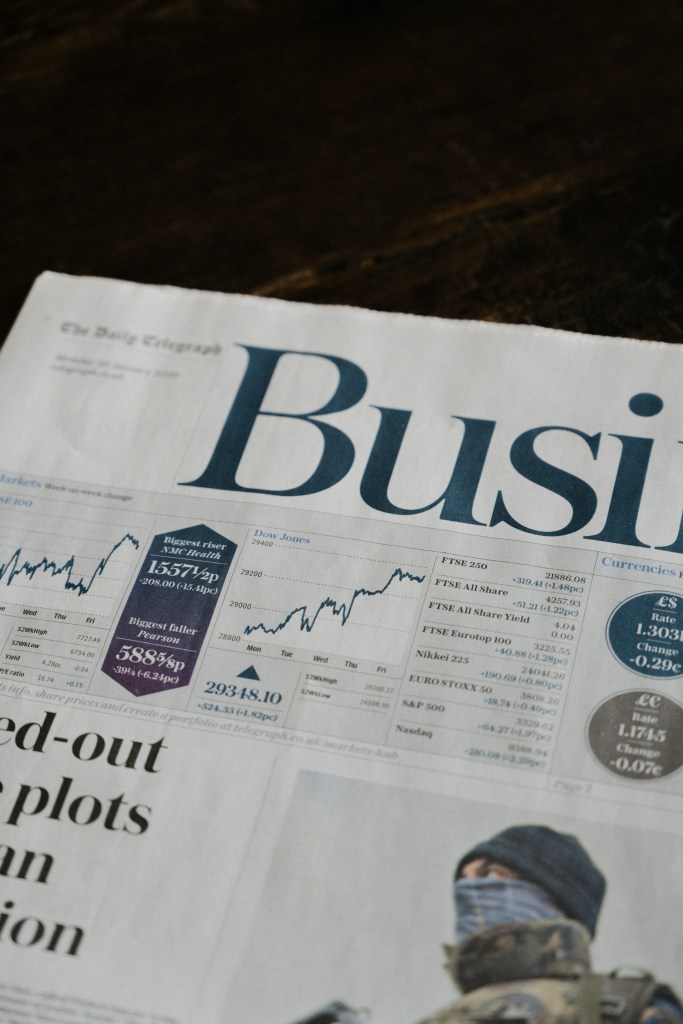

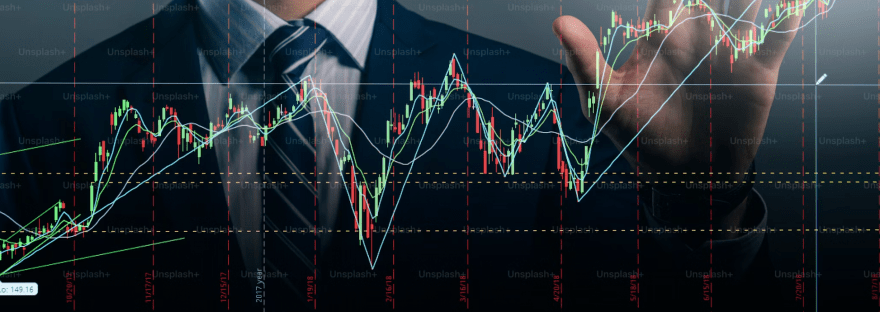
https://unsplash.com/photos/a-newspaper-with-a-picture-of-a-man-on-it-IT6aov1ScW0

The path: analyst first, manager later

I am not someone who says “I want to run a hedge fund” without being willing to do the foundational work. After building more experience in banking and completing the CFA program, I want to move into a buy-side analyst role at a hedge fund or asset management firm. This is where the real education begins.

“An investment in knowledge pays the best interest.” — Benjamin Franklin


As an analyst, I will spend years studying industries, building financial models, and learning from portfolio managers who have navigated multiple market cycles. The analysts who eventually become great portfolio managers are the ones who took that work seriously — who were curious, rigorous, and honest when they were wrong.

Why New York City

New York is where the game is played. The concentration of talent, capital, and opportunity in Manhattan is unmatched anywhere in the world. I want to be in the city where the most ambitious investment professionals compete — because that environment will make me sharper. I know it is expensive and demanding. That is precisely why I want to be there.

The 10-year vision

In 10 years, I see myself as a hedge fund manager running a portfolio with a defined investment thesis and a track record built on genuine insight — not luck, not shortcuts. The gap between where I am now and where I want to be is not intimidating. It is motivating. The destination is clear. The work starts today.

Carrer, Finance, Personal Growth

A Skill I Want to Learn: Investing and Financial Analysis

Image source: Vecteezy

Introduction

One skill I really want to learn is investing and financial analysis. As a economics student, I feel this skill is very important for my future. I want to understand how money grows and how smart investors make decisions in the stock market. It’s not just about making money, but also about managing risk and thinking long-term.

Why I Want to Learn This Skill

The main reason I want to learn investing is because of my career goals. I want to become an investment banker or financial analyst, and for that, I need to understand how to analyze companies, read financial statements, and follow market trends. This skill will help me stand out in internships and jobs.

Another reason is personal growth. If I understand investing, I can manage my own money better. Instead of just saving money, I can grow it over time. This can help me become financially independent and achieve goals like buying a house or traveling.

How I Plan to Learn It

To learn this skill, I plan to study CFA materials and practice questions daily. I will also follow financial news and learn from real-world examples. Watching how the market moves and learning from mistakes will help me improve over time.

Conclusion

In the end, investing is not just a skill for me, it’s a step toward my future success. It will help me build a strong career and a better life. I am excited to start learning and improving every day.

Learn more about investing basics here: https://www.investopedia.com/investing-4427685

Featured image source: Unsplash

Carrer, Finance, Life Lessons, Personal Growth

How to Analyze a Stock Using Yahoo Finance (Beginner Tutorial)

Investing in the stock market can be exciting, but it is important to research a company before buying its stock. Buying a stock without research is like buying a car without checking the engine first. Smart investors always analyze a company’s financial information before making a decision. In this tutorial, I will show how beginners can analyze a stock using Yahoo Finance in four simple steps.

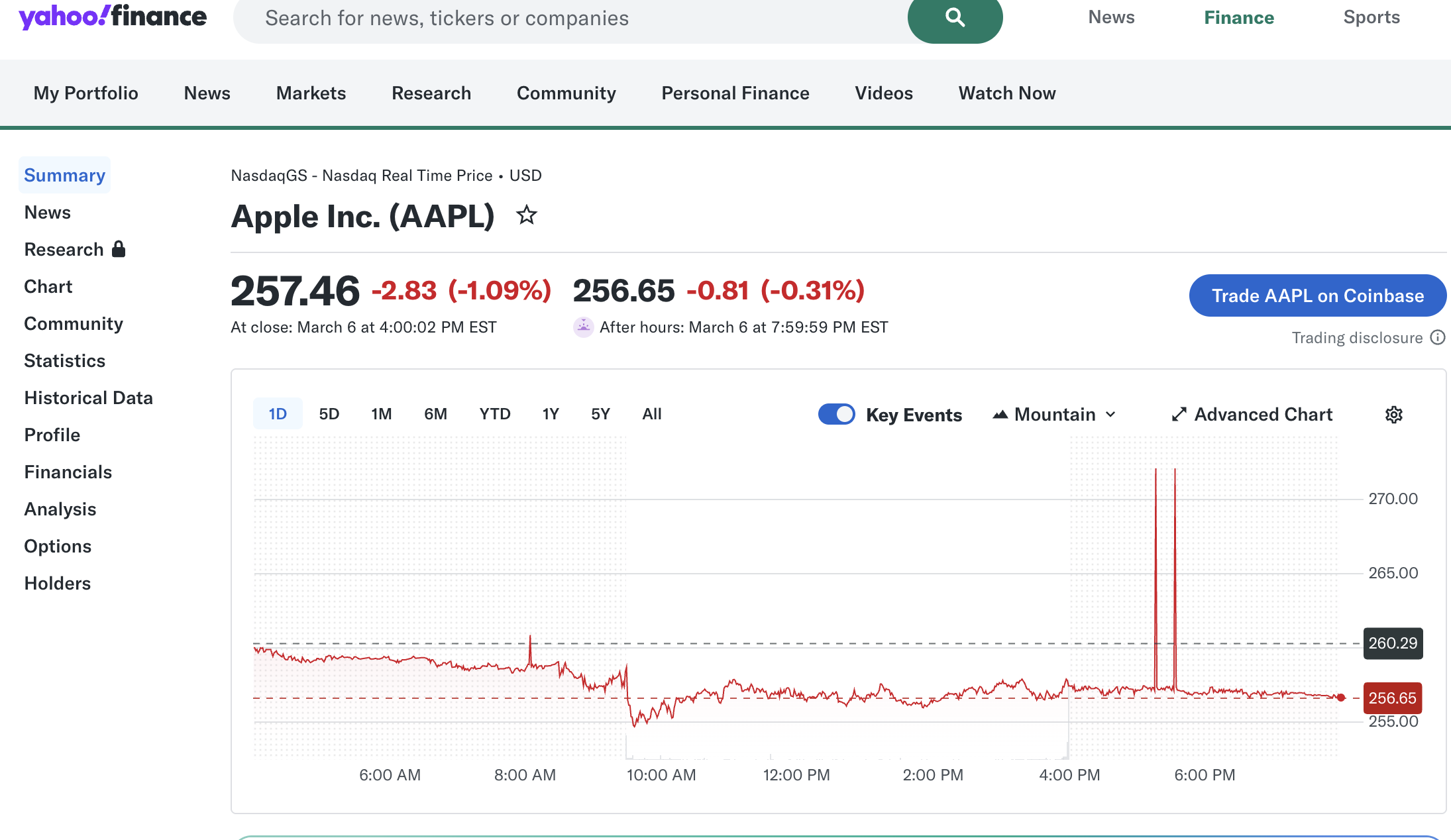
Step 1: Search the Company

The first step is to search for the company you want to analyze. Go to the Yahoo Finance website and type the company’s ticker symbol into the search bar. A ticker symbol is a short abbreviation used to identify a publicly traded company.

For example, Apple’s ticker symbol is AAPL. After searching the ticker, you will be taken to the company’s stock page. This page shows the current stock price, market information, charts, and financial data.

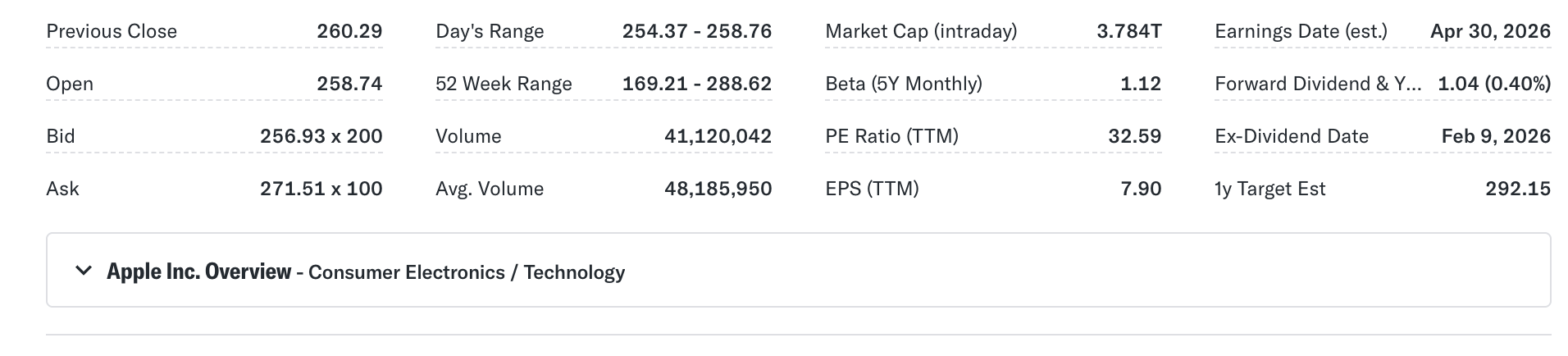
Step 2: Check Key Statistics

The next step is reviewing some important statistics about the company. These numbers help investors understand the size, value, and profitability of a business.

Some important metrics include:

  • Market Cap – the total value of the company
  • P/E Ratio – shows how expensive a stock is compared to its earnings
  • EPS (Earnings Per Share) – shows how much profit the company makes for each share

Looking at these numbers helps investors quickly evaluate whether a company may be a good investment.

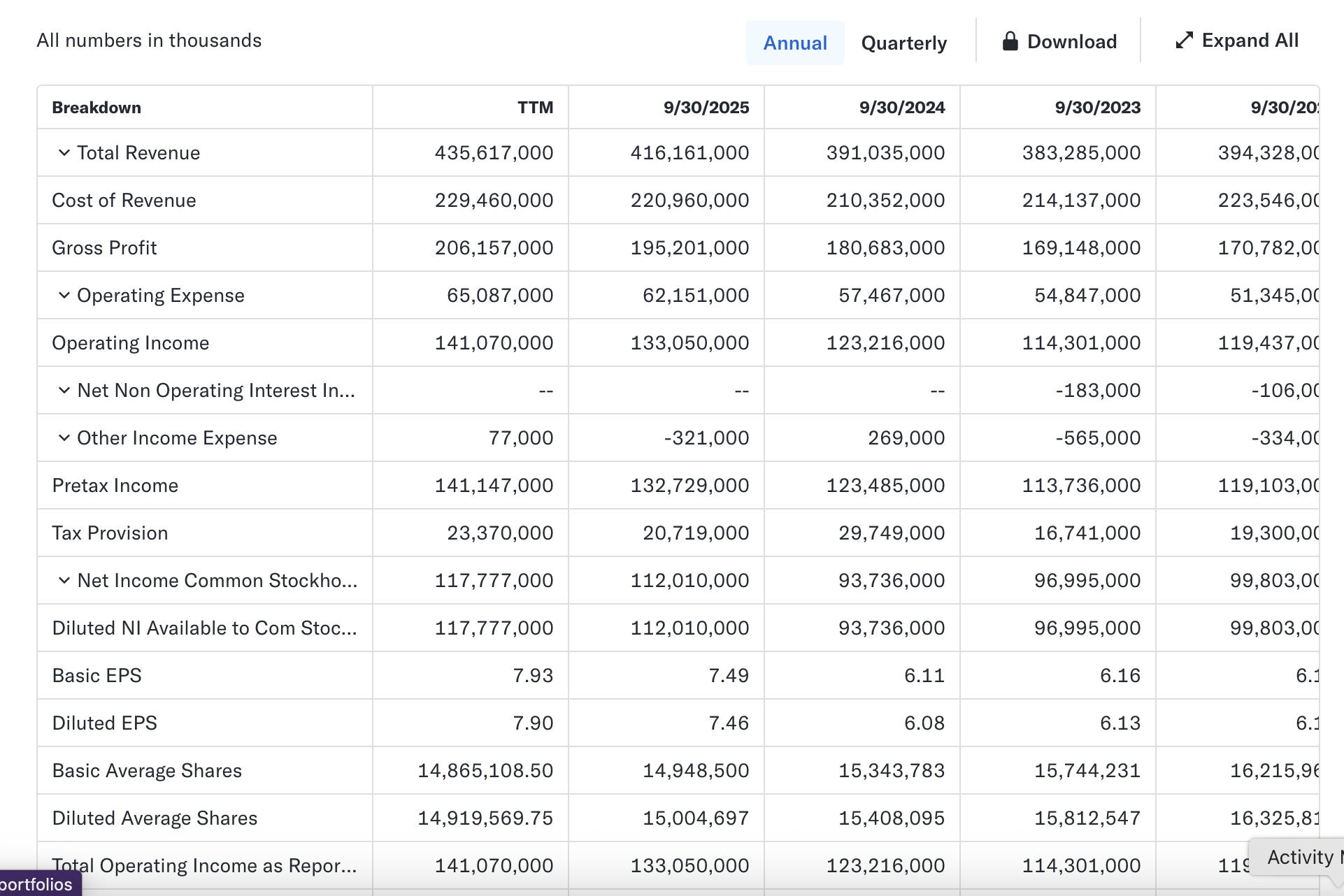
Step 3: Review Financial Statements

The third step is reviewing the company’s financial statements. On Yahoo Finance, click on the Financials tab to see the company’s income statement.

Two important numbers to focus on are:

  • Revenue – the total money the company earns from sales
  • Net Income – the company’s profit after expenses

If revenue and profits are growing over time, it usually means the company is performing well.

Step 4: Analyze the Stock Chart

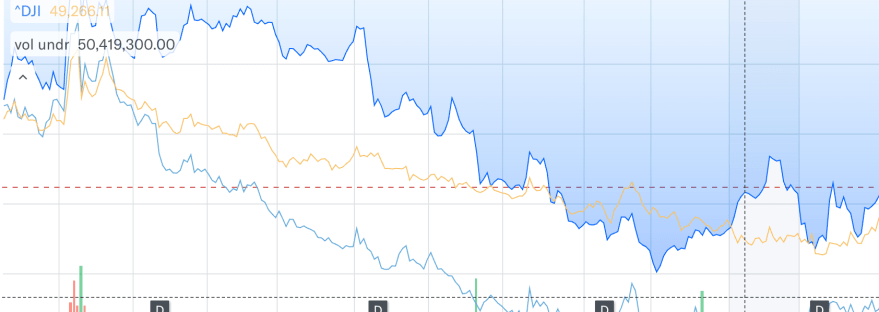
The final step is analyzing the stock chart. Yahoo Finance allows you to view the stock price over different time periods.

For example:

  • 1-Year Chart shows short-term price trends
  • 5-Year Chart shows long-term growth patterns

Looking at charts helps investors understand how the stock has performed over time and identify trends in the market.

Conclusion

Yahoo Finance is a powerful and free tool that helps investors research companies before investing. By searching the ticker symbol, reviewing key statistics, analyzing financial statements, and studying the stock chart, investors can better understand a company’s performance.

Doing proper research before investing can help reduce risk and lead to better financial decisions. For beginners who want to start learning about stocks, Yahoo Finance is a great place to begin.

Watch My Tutorial Video

Citation

Yahoo Finance – https://finance.yahoo.com

Life Lessons, Personal Growth

From Two Suitcases to a Stronger Foundation

Three years ago, I came to the U.S. with just two suitcases. Yesterday, I walked past the bus stop where I once stood trying to figure life out — and realized how much has changed.

The Best Advice I’ve Ever Received

Three years ago, I came to the United States with just two suitcases.

No house. No stable job. No clear plan. Just belief and a goal to build something better for myself.

In the beginning, I used to take a public bus to work. I remember standing there early in the morning, sometimes tired, sometimes stressed, just thinking about how everything would turn out.

Yesterday, I went to Jersey City and saw that exact same spot where I used to wait for the bus.

The place looked the same.

But my life is different now.

At 21 years old, I have my own house. I work at one of the big banks as a P.T. banker, I’m proud of it. I’m pursuing my bachelor’s degree. And on top of that, I’m studying for the CFA to build a future in Wall st.

None of this happened overnight.

It wasn’t one big opportunity or lucky break. It was small effort every single day. Showing up to work. Going to class. Studying when I didn’t feel like it. Staying disciplined when nobody was watching.

The best advice I ever received was simple:

“Be patient and keep building.”

Back then, I didn’t fully understand it. I wanted fast results. I wanted quick progress. But now I realize real growth takes time.

It’s not about moving fast.
It’s about not stopping.

If I’ve learned anything in these three years, it’s this:

Start with what you have.
Don’t rush your timeline.
Stay consistent even when it feels slow.
Trust the process, even when you can’t see results yet.

Three years ago, I was standing at a bus stop hoping life would improve.

Today, I’m still building — just on a stronger foundation.

And I’m proud of how far I’ve come.

Carrer, Finance

How I Discovered My Passion for the Stock Market

If someone had asked me a few years ago about my hobbies, finance would not have been on the list. The stock market felt distant — something reserved for professionals in suits or people who had been studying economics their entire lives. It seemed complex, unpredictable, and honestly, a little overwhelming.

That changed during my freshman year of college.

I began noticing more conversations about investing, inflation, and economic trends. At first, I didn’t fully understand the terminology. Phrases like “market volatility” and “long-term growth” sounded technical and intimidating. Still, instead of dismissing it, I decided to learn more.

What started as simple curiosity slowly developed into genuine interest.

My First Experience Investing

I remember the first time I invested in a stock. I was both excited and nervous. I checked the price frequently, reacting emotionally to every small movement. A slight increase made me confident; a minor drop made me question my decision.

That experience taught me something valuable very early on: investing is as much about mindset as it is about numbers.

Over time, I began shifting my focus from short-term price changes to long-term strategy. I started researching companies more carefully — their financial performance, leadership, industry position, and growth potential. I realized that successful investing requires patience, discipline, and thoughtful decision-making.

Image by tonodiaz on Freepik

Why It Became My Favorite Hobby

What truly drew me in was not just the idea of financial gain, but the deeper understanding it gave me of the world.

Economic news began to feel meaningful rather than abstract. Interest rates, inflation reports, technological innovation, and global events all became interconnected pieces of a larger system. Following the stock market helped me see how businesses grow, how policies influence industries, and how investor psychology shapes outcomes.

Beyond knowledge, investing strengthened important personal qualities. It required patience during market downturns and restraint during periods of excitement. It encouraged me to think long-term instead of seeking quick rewards.

As an Econ. major preparing for the CFA, this hobby also aligns naturally with my academic and professional goals. What makes it special, however, is that it never feels forced. I genuinely enjoy learning about markets, analyzing trends, and understanding financial strategy.

Advice for Those Interested in Investing

For anyone who feels intimidated by the stock market, I understand that feeling completely.

The best approach is to begin with education. Learn basic financial concepts. Follow companies you are already familiar with. Read reliable financial resources such as Investopedia and focus on building understanding before committing significant money.

Most importantly, avoid chasing short-term hype. Sustainable investing is built on patience, research, and discipline.

Final Reflection

Looking back, it’s surprising how something that once felt intimidating became a meaningful part of my daily life.

The stock market has taught me far more than how to invest. It has taught me how to think critically, remain composed during uncertainty, and approach decisions with long-term perspective.

Carrer

Hello, my name is Aryan

Hello, my name is Aryan Shah, and I’m a student at Rutgers University majoring in Economics. I’ve always been curious about how money works, how businesses grow, and how smart financial decisions can change someone’s future. That curiosity is what pushed me toward studying economics and learning more about finance and investing.

Image source: Unsplash

I see myself as someone who is goal driven and always thinking about the future. I believe success comes from small daily efforts. Whether it’s studying, learning about markets, or building new skills, I try to stay consistent and improve step by step.

Economics is not just my major, it’s something I genuinely enjoy. I like following the stock market, learning about investing, and watching documentaries about business and global events. These things inspire me and help me understand the real world better.

One of my biggest goals is to build a strong career in finance, possibly in investment banking or portfolio management. I’m also interested in pursuing the CFA program to deepen my knowledge and credibility in finance. Long term, I want financial freedom, the ability to support my family, and the chance to build something meaningful in my career.

I started this blog to share my journey and to build a positive digital presence. I want this space to reflect my growth, goals, and experiences as a student. It’s also a way for me to look back in the future and see how far I’ve come.

Thank you for taking the time to read and get to know me.

-Aryan Shah